Anxiety or stress is a reaction to events, which make you feel anxious, threatened, angry, or upset. It is normal for anyone, and although most people will be stressed by the same events, the degree of it varies from person to person.
Short-term stress can be normal, with no major consequences to your health. However, ongoing anxiety and long term pressure can have a negative impact on your health. In addition, affecting various parts of your body.
Therefore, the question, “Can stress cause a heart attack or stroke? is relevant.
In this blog, we will discuss how stress affects your heart, symptoms of cardiac issues that can happen due to stress, and warning signs that should not be ignored.
Can Anxiety Cause Heart Attack or Stroke?
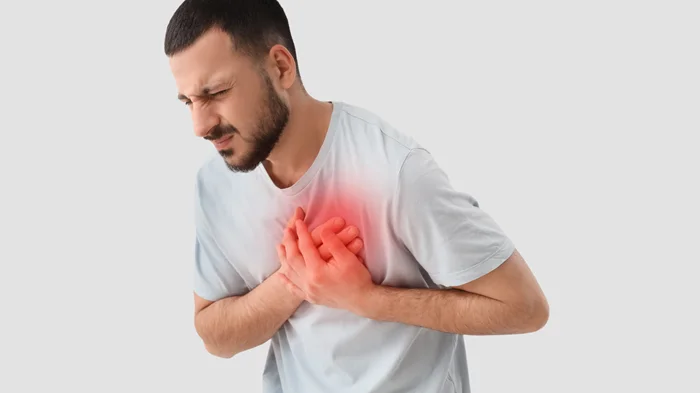
Anxiety can influence the heart by triggering several biological changes that might begin in the brain and impact the heart and blood vessels. During periods of anxiety, the body activates its stress response, releasing hormones that can temporarily increase heart rate and blood pressure.
While occasional anxiety may not trigger heart attack, persistent or severe anxiety may contribute to cardiovascular risk over time. If you have ongoing concerns, timely evaluation at BIG Apollo Spectra, the super speciality hospital in Patna, can help assess your cardiovascular health.
Here are some of the changes anxiety can trigger, that may cause heart attack from stress and anxiety:
1. Anxiety Activates the Stress Response in the Body
Whenever you experience stress or anxiety, your brain reacts by activating the natural stress response of the body. Resulting in the release of stress hormones such as cortisol. This can lead to affecting your heart rate, blood pressure and blood vessel functions.
While the response can be helpful during short term stress, frequent and sudden surges in stress hormones may place additional strain on the heart.
>>> Consult Dr. Manish Kumar Singh for expert cardiac care.
2. Causes a Rise in Stress Hormones
Anxiety may cause the stress hormones epinephrine and norepinephrine to be secreted. Such a reaction prepares the body to respond to a perceived threat by elevating the blood pressure and heart rate as well as increasing blood sugar level.
Consequently, this will temporarily put increased pressure on the heart and blood vessels, causing greater risk of heart attack.
3. Leads to Increase in Heart Rate and Blood Pressure
Stress causes an increase in the heart rate as well as the constriction of blood vessels which leads to a temporary rise in blood pressure. The increase in blood pressure from anxiety often places a strain on the cardiovascular system especially if it occurs repeatedly.
A higher occurrence of cardiovascular diseases such as stroke and hardening of arteries is also associated with stress and anxiety.
4. Inflammation and Artery Plaque Formation
Prolonged stress may lead to an increase in inflammation within the inner lining of the blood vessels. This can cause the fatty deposits, or plaques, to build-up within the arteries and restrict the blood flow.
Build-up of plaque is also known as atherosclerosis. When the plaque becomes unstable and breaks off it could result in a blood clot which could block blood flow.
5. Can Increase Cardiovascular Risk Over Time
Over time, the repeated exposure to stress hormones can impact cholesterol levels, increased blood pressure and impaired blood vessel function. In addition, it may also trigger inflammation. All these factors may contribute to greater strain on the cardiovascular system.
Thus, anxiety and stress over a longer period can lead to accelerated development of heart disease in people.
Anxiety may not not be the direct or inevitable cause of heart attack or stroke. Nevertheless, you should pay attention to managing persistent anxiety and address other cardiovascular risk factors as well. This will allow you to maintain your overall heart health.
>>> Book an appointment at BIG Apollo Spectra for cardiac consultation.
Cardiac Symptoms Associated with Anxiety
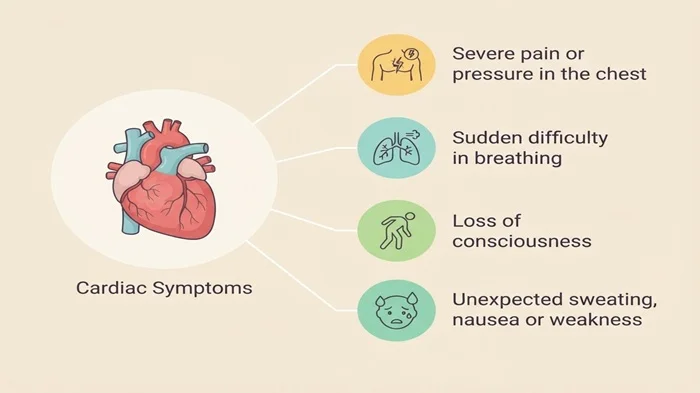
Anxiety and stress can lead to chest discomfort, racing heart, dizziness, sweating and shortness of breath but sometimes these can be warning signs for a heart attack or other serious conditions. Since heart attack or anxiety can have similar symptoms, the only safe option is to get a cardiologist consultation if such uncomfortable symptoms occur.
Be alert if the symptoms of anxiety are accompanied by any of the following:
- Severe pain or pressure in the chest, especially if it’s persistent and does not go away.
- Sudden difficulty breathing accompanied with chest discomfort, lightheadedness, weakness or sweating.
- Loss of consciousness with change in level of awareness or confusion.
- Pain that originates in the chest and extends to other parts of your body.
- Unexpected sweating, nausea or weakness.
If you or your loved ones have been experiencing such symptoms, it is advisable to seek emergency medical attention. As the best cardiologist in Patna at BIG Apollo Spectra Hospital, Dr. Manish Kumar Singh can assess your cardiovascular risks and individual risk factors and guide you toward appropriate cardiac care.
Conclusion
Anxiety and stress are part of everyday life; however, their effects on your heart and overall health are severe and should not be overlooked. Prolonged anxiety can lead to increase in heart rate, blood pressure and blood vessel constrictions.
You should not be missing out on the warning signs that your body might send you during stress. If you are experiencing symptoms like chest pain, shortness of breath, dizziness, or fatigue, during anxiety, make an appointment with a trusted cardiologist.
Dr. Manish Kumar Singh, one of the best cardiologists in Patna can help you by evaluating cardiac symptoms triggered by anxiety and guide towards appropriate care.
Book an appointment today at BIG Apollo Spectra Hospitals, Patna, and take proactive steps towards better heart health.