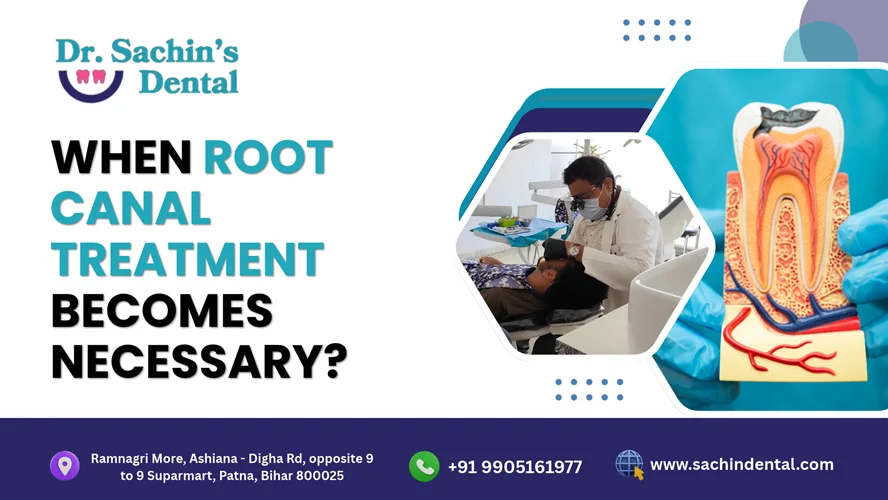
A toothache can disrupt activities such as chewing, drinking and sleeping. Occasionally, a simple toothache progresses to a more serious one due to infection inside your tooth. If this happens, your dentist may advise you to have root canal treatment.
What are the first signs of a root canal? Few words strike fear in the hearts of people more than root canal. However, the common treatment can actually help to release an infection and save the tooth.
But how do you know that you need one? Read on for the leading reasons and signs that you may need a root canal.
What Is Root Canal Treatment?
A root canal treatment in Patna involves removing diseased or damaged pulp from the inside of a tooth. The pulp is the delicate living tissue in the centre of a tooth.
If bacteria reach the dental pulp through a severe cavity, a crack or a fracture, the root system may become infected and painful. After removal of the infected pulp, the dentist cleans the interior of the tooth and fills it with filling material. In most cases, a tooth crown is also placed.
Now that you understand what root canal treatment is, let’s look at some common warning signs that may indicate a problem with your tooth’s pulp.
5 Signs You May Need Root Canal Treatment
Identifying the symptoms of an infection early on may stop additional destruction. We have rounded up the five major signs you should avoid ignoring.
1. Constant Tooth Pain
Constant Tooth Pain is one of the most common symptoms of an infected tooth. You may have dull or sharp pain that worsens when you chew or lie down. If you experience this pain for a few days, see your dentist to find out what’s going on.
2. Sensitivity to Hot and Cold
Are you experiencing tooth pain while drinking hot tea or eating ice cream? Here’s one reason why you should get your teeth checked – besides temporary pain while drinking hot or cold food, remaining pain may be an indication that the tooth’s pulp has been damaged.
3. Swollen or Tender Gums
Swollen tissues that are around a specific tooth may also be an indicator of an infection. In addition, you may notice the presence of a pimple-like bump near the tooth that you are having trouble with. The bump might drain pus or be accompanied by a bad taste in your mouth.
4. Darkening of the Tooth
If one of your teeth starts turning grey or darker than the surrounding teeth, it may indicate damage to the internal tissue. This can happen after an injury or infection. A dental examination can help identify the problem.
5. Pain While Chewing
If you experience pain or pressure when biting or chewing food, you may be experiencing pain inside of a tooth or around its roots, which may be caused by a cracked tooth or other dental problem. A dentist will tell you if root canal treatment is needed.
Recognising these symptoms is important, but understanding what causes the infection or damage can help you take better care of your teeth and prevent further complications.
What Makes a Root Canal Necessary?
Root canal is recommended when the pulp of your tooth gets badly infected or injured in a way that the pulp fails to recover on its own. The pulp can get infected or damaged due to various reasons such as:
- Deep cavities: If tooth decay gets left, it will make its way into the interior of the tooth’s pulp and infect it.
- Broken or fractured teeth: Fractures can serve as entry points for bacteria into the interior of the tooth.
- Dental injuries: An injury or sudden blow can break the tooth nerve.
Repeated dental procedures: Toothpastes on the same area often enough, they may cause some changes to the pulp. - Poor oral hygiene: Not flossing or brushing your teeth often can lead to tooth decay and infection.
A dental checkup in Patna can help identify the causes of pulp infection and determine whether root canal treatment is necessary. You may also want to know what happens during the procedure and whether it causes pain.
Is Root Canal Painful?
Root canal treatment is generally not painful because dentists use local anaesthesia to keep patients comfortable during the procedure.
You may feel some discomfort during the procedure, but you shouldn’t experience much pressure. After the treatment, your tooth may feel slightly tender or sensitive for a few days. Your dentist may recommend over-the-counter pain relief to help manage the discomfort.
Besides concerns about pain, many patients also want to know how much time they need to complete the entire root canal procedure.
How Dr. Sachin’s Dental Can Help?
Persistent tooth pain, sensitivity to hot or cold, swollen gums, or discomfort while chewing may indicate an underlying dental problem that requires attention.
Dr. Sachin’s Dental focuses on identifying the cause of these symptoms through proper dental evaluation and determining whether root canal treatment is necessary. The approach prioritises treating infected or damaged tooth pulp, relieving discomfort and preserving natural teeth whenever possible.
With timely diagnosis and appropriate dental care, patients can prevent further complications and maintain better oral health. Deep cavities, dental injuries or persistent tooth sensitivity can indicate different dental problems. Identifying the underlying cause is important for choosing the right treatment.
Final Thoughts
Root canal treatment is an effective way to eliminate infection, relieve dental pain and preserve your natural tooth. Persistent toothache, sensitivity to hot or cold, swollen gums, tooth discolouration or pain while chewing can indicate underlying pulp damage that needs attention.
Ignoring these warning signs may allow the infection to worsen and lead to further dental complications. Early diagnosis and appropriate treatment play an important role in protecting your natural teeth and maintaining good oral health.
An experienced dentist can assess your symptoms, identify the cause of the problem and recommend the most suitable treatment for your dental needs.